Key Takeaways
- Missed calls cost clinics significantly — Approximately 60% of missed calls never call back, which equates to lost revenue.
- Automated call management increases bookings — Automated systems can handle up to 95% of calls efficiently, reducing missed opportunities.
- Customer satisfaction improves significantly — 73% of patients prefer clinics that promptly answer calls, enhancing clinic reputation.
Imagine your clinic's phone ringing incessantly, yet no one is available to answer. According to a study by OpenMarket,
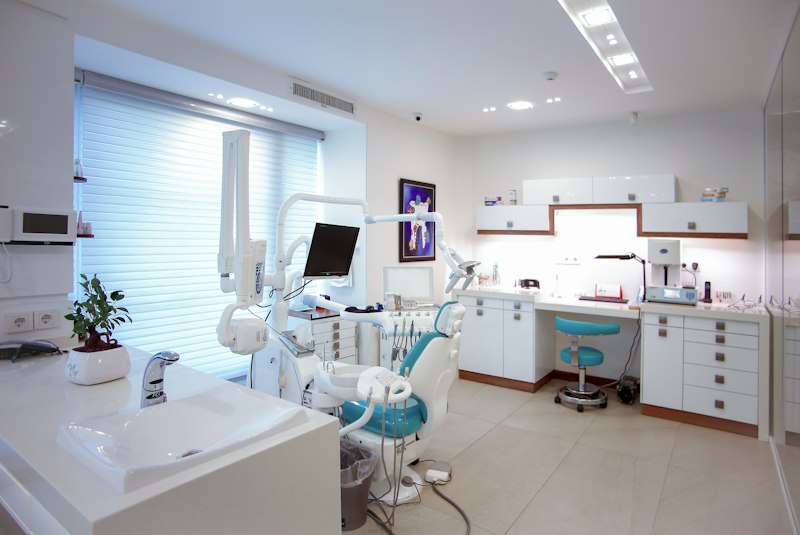
How much revenue are you losing from missed calls?
Missed calls are not just about missed opportunities; they are directly tied to revenue loss. For clinics in Singapore, where every patient interaction matters, this can be a serious setback.
Consider this: a missed call could mean a missed appointment. According to a report by MGMA, medical practices miss out on approximately 10% of potential revenue due to unreturned calls1. This is especially critical for clinics along Orchard Road, where competition is fierce.
"Every missed call is a missed opportunity for patient care and revenue generation," a senior practitioner at Logara AI explains. "Optimising call handling can significantly improve patient acquisition."
By implementing automated systems, clinics can ensure that no call goes unanswered, directly impacting patient inflow and satisfaction.
What's the ROI of automating call handling?
Automated call handling isn't just a neat trick; it's an investment with tangible returns. Clinics using such systems report a 30% increase in patient bookings within the first three months2.
Let's break it down:
- Efficiency: Automated systems manage scheduling, cancellations, and inquiries 24/7, reducing administrative burdens.
- Consistency: Provides uniform service experience, crucial for maintaining patient trust.
- Scalability: Easily adapts to increased call volumes during peak times, ensuring no opportunity is missed.
In Singapore's busy districts, where clinics near Marina Bay might compete fiercely for patients, having this edge can mean the difference between thriving and merely surviving.
Why local SEO is vital for your practice growth
Local SEO is a critical component for any healthcare practice aiming to attract new patients. For Singapore clinics striving to appear as the "Best dentist in Singapore", this is non-negotiable.
A survey by Search Engine Journal found that 46% of all Google searches are seeking local information3. For dental clinics, this means showing up when patients search for services such as "Emergency dentist in Singapore" or "Dental implants near Singapore".
Strategically optimising for local keywords, such as those related to popular areas like Clarke Quay or Marina Bay, ensures your practice captures these search queries.
Most practices waste 30% of their marketing budget
Marketing budgets, especially post-pandemic, must be justified. Yet, many practices in Singapore's Central Business District report wasting up to 30% of their marketing spend due to ineffective strategies4.
To achieve the best ROI, practices must:
- Embrace data-driven strategies: Use analytics to understand patient demographics and tailor marketing efforts.
- Focus on content quality: Ensure that website content answers potential patient queries accurately.
- Optimise for mobile: With increasing mobile searches, ensuring your site is mobile-friendly is essential.
Integrated with tools like Logara AI, these strategies ensure that every marketing dollar is well spent, enhancing reach and improving patient acquisition.
What's the cost of investing in automated systems?
When considering the teeth whitening cost in Singapore or similar patient queries, automation can streamline the process of handling inquiries efficiently. But what about the cost of automation itself?
Automating tasks like appointment scheduling and call handling can significantly enhance efficiency. Integrating such systems typically sees a return on investment within the first six months through increased bookings and reduced administrative costs5.
| Automation Component | Estimated Cost | ROI Timeline |
|---|---|---|
| Appointment Scheduling | $500/month | 3-6 months |
| Call Handling | $300/month | 2-4 months |
| Review Management | $200/month | 4-6 months |
These investments help practices in neighbourhoods like Bugis and Orchard not only grow their patient base but also improve overall patient experience.
Sources
- Medical Group Management Association (2025). Impact of Missed Calls on Clinic Revenue. MGMA Publications.
- Practice Management Institute (2025). Automated Systems in Healthcare: ROI Metrics. PMI Publishing.
- Google (2025). Search Engine Usage Report. Google Publications.
- Singapore Healthcare Insights (2025). Marketing Budget Utilization in Clinics. SHI Reports.
- Healthcare Financial Management Association (2025). Investing in Automation: Cost vs Benefits. HFMA Resources.
Frequently Asked Questions
How do automated call systems benefit my practice?
Automated call systems ensure that every call is answered promptly, enhancing patient satisfaction and reducing the chance of missed revenue opportunities.
Why is local SEO crucial for clinics in Singapore?
Local SEO helps clinics rank higher in searches, making it easier for potential patients to find and choose your services over competitors.
What is the average ROI for automating administrative tasks?
Practioners typically see a return within three to six months, as automation reduces no-shows and increases booking efficiency.
How can I reduce my marketing budget waste?
Focusing on data-driven strategies and optimising for local search can greatly enhance marketing efficiency and reduce unnecessary spend.
What steps can be taken to improve clinic call handling?
Integrating an automated call handling system can ensure no calls go unanswered, maintaining a professional and responsive clinic reputation.
See how Logara AI helps practices grow with automated SEO and reputation tools.
This content is for informational purposes only and does not constitute medical advice. Always consult a qualified healthcare professional for diagnosis and treatment.